
How to Create Privacy with Planters
How to Create Privacy with Planters
Privacy is one of those topics that sounds simple, but usually is not. In outdoor projects, especially balconies, patios, and commercial spaces, building a wall or fence is often not the first choice. Sometimes it is not allowed. Sometimes it feels too heavy. Sometimes it just does not fit the space.
This is why planters are used more often than people expect.
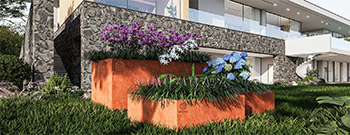
A planter does not work like a wall. It sits lower, it takes up space, and it changes how people move. In many projects, that is already enough. When plants are added, the space starts to feel separated, even if nothing is fully blocked.
Screens and Planters Used Together
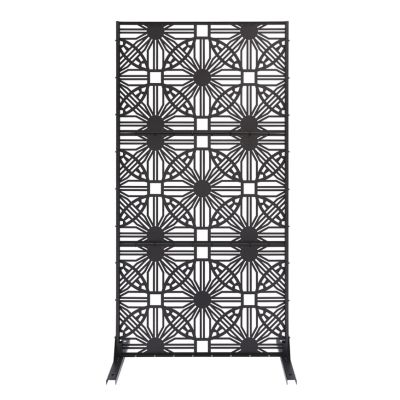
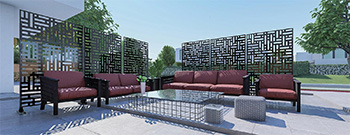
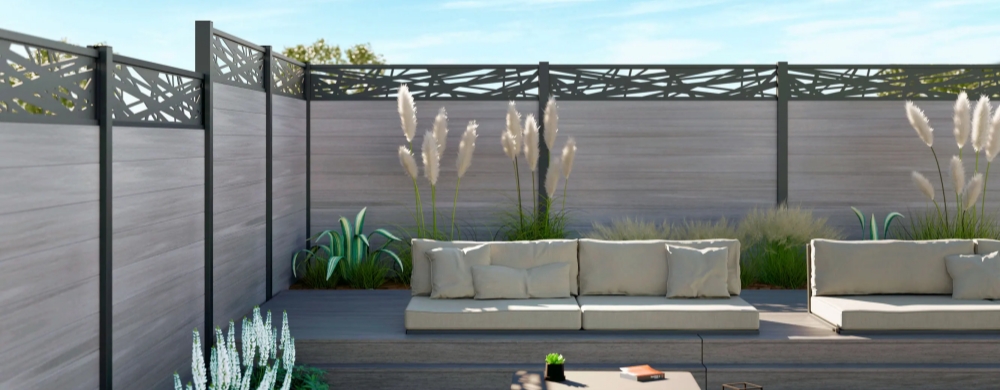
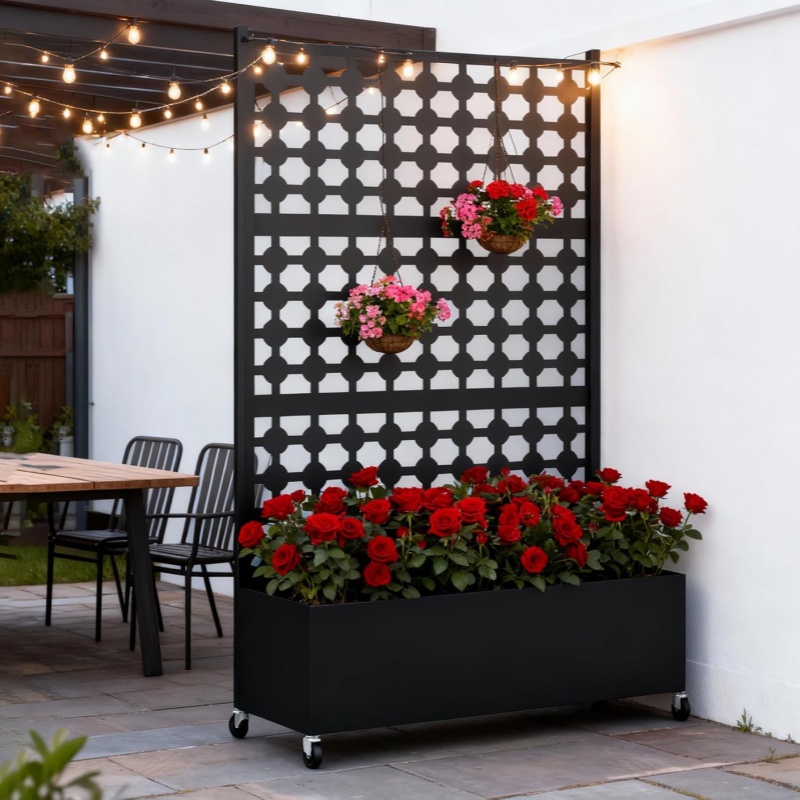
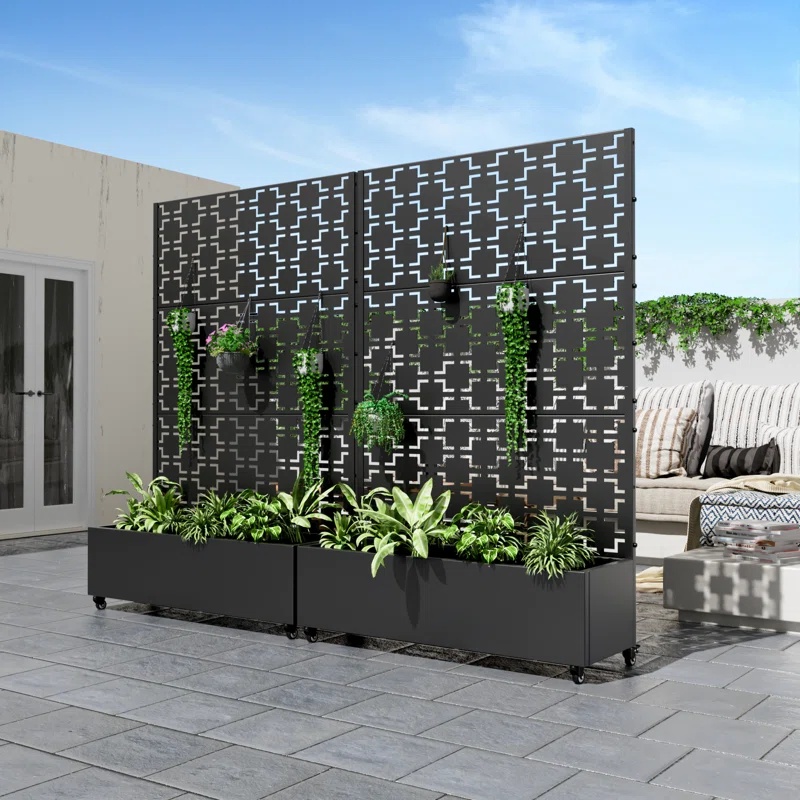
In practice, planters alone are not always sufficient. This is where metal privacy screens are added. When the screen and planter box are combined into one unit, the setup becomes simpler. There is less fixing work. The weight of the planter helps the screen stay stable.We see this used a lot on rooftops and outdoor dining areas. These are places where permanent construction is not welcome. The units are placed, adjusted, and sometimes moved again later. That flexibility matters more than people think.The screen provides immediate privacy. The plants take time. Over weeks and months, the space changes. Some clients actually prefer this, instead of everything looking finished on day one.
Why Metal Is Commonly Chosen
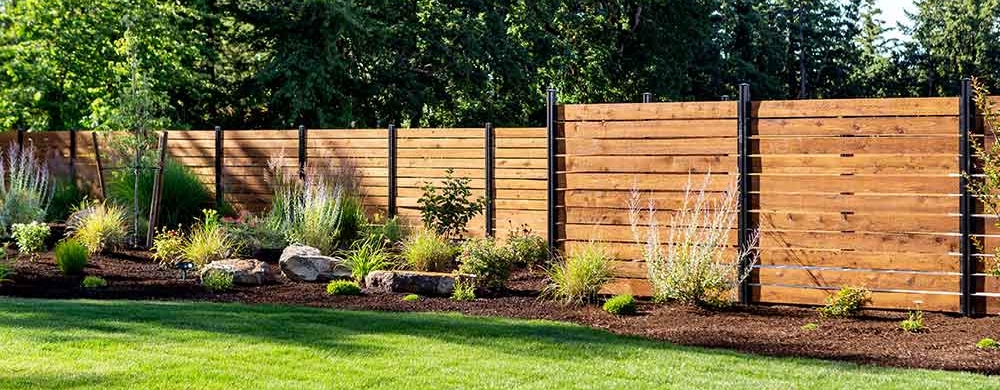
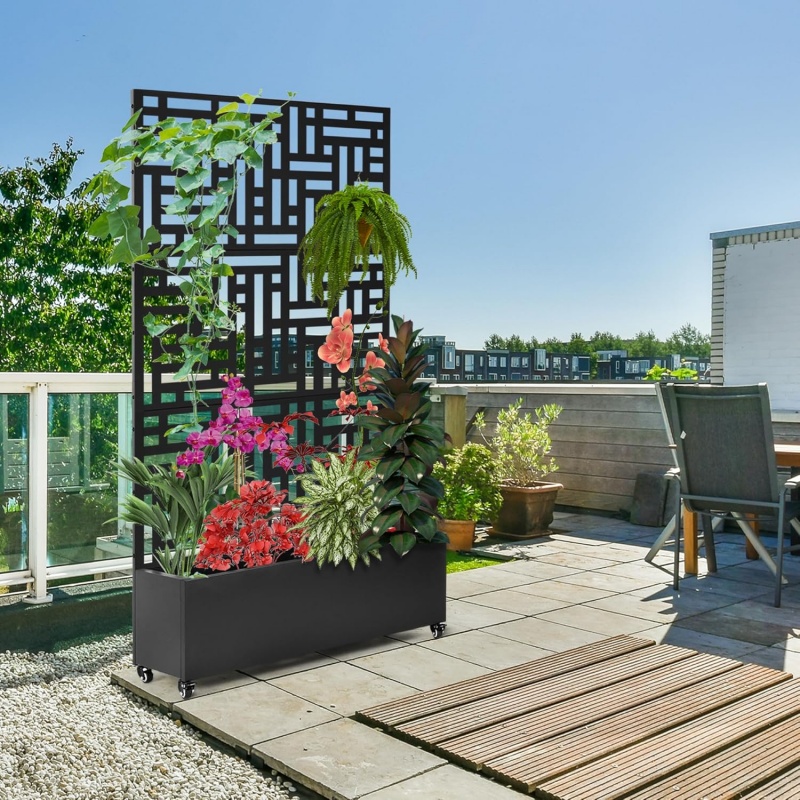
There are different materials available, but metal is usually selected for long-term outdoor use. Wood looks natural, but it needs care. Plastic is light, but not always strong enough.
Metal screens, when finished correctly, last longer with less attention. Powder coating and galvanizing are not design features, they are practical decisions. Wind, rain, sun — these things add up over time. The structure needs to hold.
Another point that is often overlooked is plant weight. When planters are filled and plants grow, the load increases. Metal frames handle this better.
No Standard Size in Real Projects
Standard sizes look good in catalogs, but real sites are different. A screen may need to be higher to block a window. A planter may need more depth for certain plants. These adjustments are common.
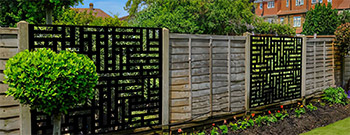
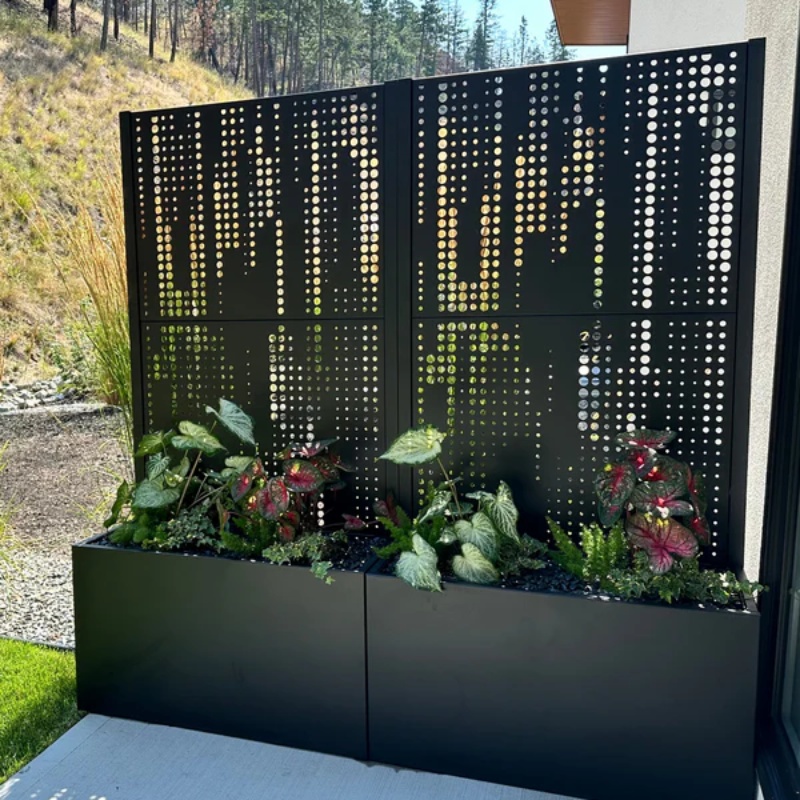
Some projects use solid panels. Others use cut patterns. There is no single rule here. It depends on location, surrounding buildings, and how much visibility is acceptable. Many decisions are made on site, not on drawings.
Where These Systems Are Actually Used
We most often see metal privacy screens with planter boxes used in:
Café and restaurant outdoor seating
Apartment balconies
Hotel terraces
Commercial landscape areas
In most cases, the goal is not full privacy. It is comfort. Enough separation so people feel relaxed.
Not a Permanent Solution, and That’s the Point
Planter-based privacy systems are not meant to replace walls. They are meant to avoid them. For many outdoor spaces, that is exactly what is needed.