
Steel Landscape Edging: Built to Stand the Test of Decades
For homeowners and landscapers fed up with the endless cycle of replacing flimsy garden borders, steel landscape edging has cemented its reputation as a heavy-duty, long-lasting alternative—one that can stay put for decades with little more than basic upkeep. Unlike plastic edging that warps under the sun or wooden borders that rot and splinter, quality steel options shrug off harsh weather, soil shifts, and regular lawn care routines, turning a one-time installation into a permanent fixture of outdoor spaces.
What Makes Steel Edging Last So Long?
The secret to steel landscape edging’s impressive lifespan lies in its material makeup and protective finishes. Galvanized steel, coated in a layer of zinc that fights rust and corrosion, is a go-to choice for residential gardens. This zinc coating acts as a shield, expanding and contracting with the steel core to avoid cracking during freeze-thaw cycles or sweltering summer heat. In typical backyard conditions, galvanized steel edging can last 15–25 years without major issues.
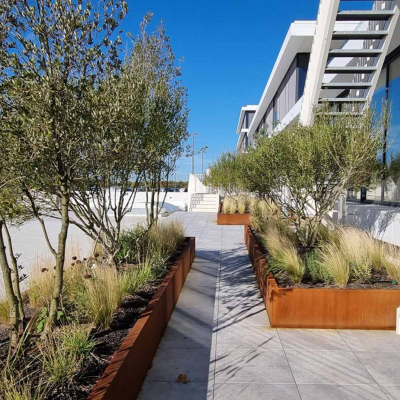
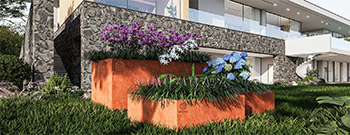
For even more staying power, options like rebar steel and Corten (weathering steel) take durability up a notch. Corten steel, in particular, develops a distinctive rust-colored patina within 6–9 months of installation. Far from being a sign of decay, this patina seals the steel surface, boosting its corrosion resistance and eliminating the need for painting or recoating. Professional landscapers report that well-installed Corten steel edging can easily hit the 25–30 year mark—and in some cases, last even longer.
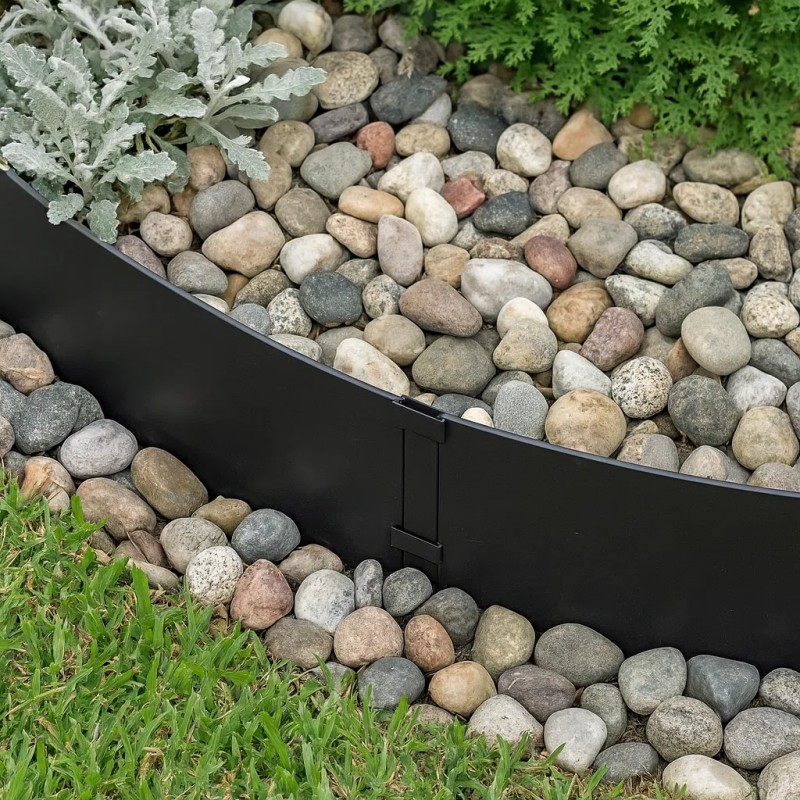
Compare that to common alternatives: aluminum edging bends under mower weight, concrete edging cracks when soil heaves, and plastic edging breaks down in UV light after just 3–5 years. Steel’s rigid structure holds up to root pressure from trees and shrubs, and it doesn’t shift when mulch or soil is added to flower beds.
Proper Installation = Maximum Lifespan
Even the toughest steel edging won’t live up to its potential if it’s installed poorly. Landscaping pros stress two key steps for long-term performance:
Dig deep enough: Sink the edging 4–6 inches into the ground, leaving 2–3 inches above the surface. This depth prevents frost heaving in colder climates and stops the edging from popping out of the soil.
Protect the coating: Avoid scratching the zinc or patina during installation—scratches create weak spots where rust can start. Use rubber mallets instead of metal ones, and cut steel with a blade that won’t leave jagged edges.
A quick annual check is all it takes to keep steel edging in shape. Walk around your garden once a year to tighten any loose stakes and touch up minor scratches with a rust-inhibiting paint. That’s it—no annual replacements, no costly repairs.
Long-Term Value That Adds Up
It’s true: steel edging costs more upfront than plastic, with prices ranging from $2–$5 per linear foot. But when you crunch the numbers, it’s a smart investment. A 50-foot garden border with plastic edging would need to be replaced 5 times over 25 years, costing $50–$100 total (not counting labor). The same 50-foot border with galvanized steel edging? A one-time cost of $100–$250, with zero replacement fees for a quarter-century.
“Our clients used to grumble about replacing plastic edging every few years,” says Mark Henderson, owner of a family-run landscaping company in Ohio. “Now, we push steel edging for anyone who wants a border that outlives their garden plants. We’ve pulled up galvanized steel edging from jobs we did 20 years ago that still looked solid enough to reuse.”
More Than Durable—Versatile, Too
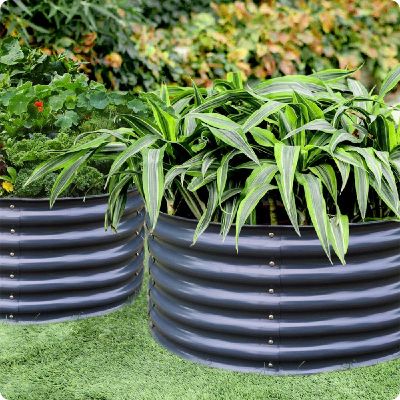
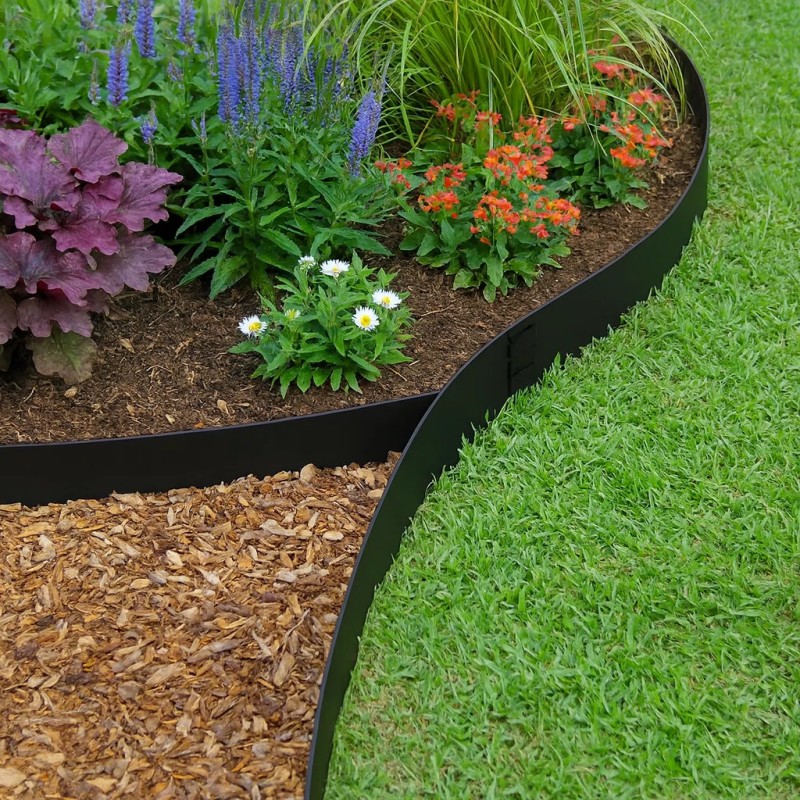
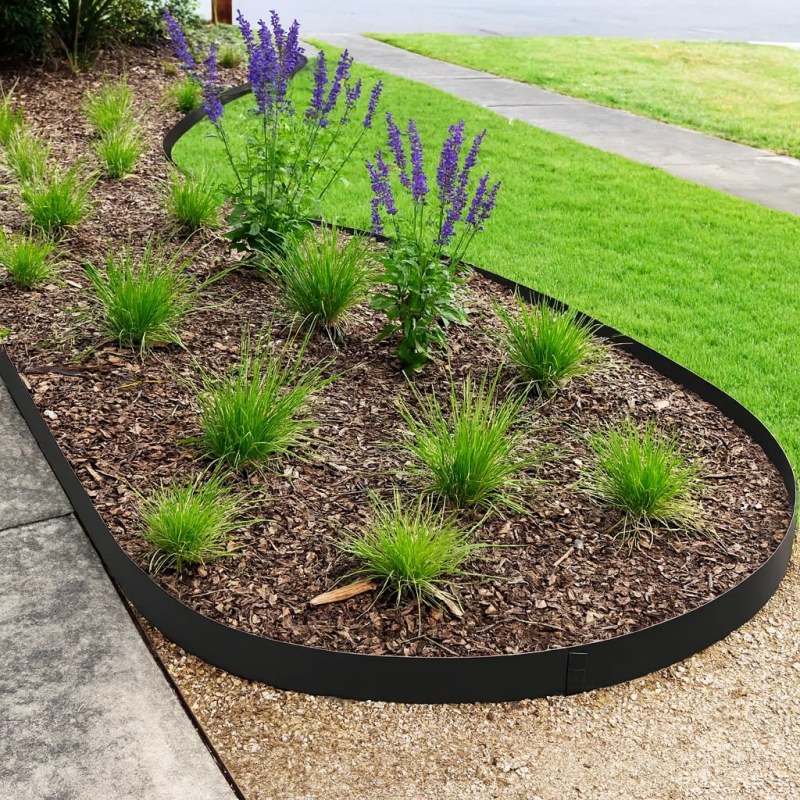
Steel edging isn’t just tough—it’s flexible enough to shape into curves, circles, and straight lines, making it perfect for defining flower beds, separating lawns from gravel paths, or lining raised vegetable gardens. Corten steel’s warm patina even adds a rustic, organic look that blends with greenery, while galvanized steel has a sleek, modern finish that complements contemporary outdoor designs.
As more homeowners lean into sustainable gardening practices, steel edging’s long lifespan is another win—it cuts down on plastic waste from discarded borders and reduces the carbon footprint of frequent replacements.
For anyone tired of fixing or replacing garden edging year after year, steel isn’t just an option—it’s a solution that lasts. It’s the kind of outdoor upgrade you install once, then forget about—until you’re still enjoying a neat, defined garden 20 years later.